
For industrial distributors, procurement managers, and steel processing plant directors in Spain, balancing consumable costs with operational uptime is a constant balancing act. When cutting stainless steel, alloy steels, and heavy structural profiles, choosing the right bandsaw blade directly dictates profit margins. Two primary contenders dominate the high-performance metal cutting sector: Bimetal bandsaw blades and Carbide-tipped metal bandsaw blades. This analysis breaks down the true Return on Investment (ROI) to help B2B buyers optimize their inventory and reduce cost-per-cut.
Why Spain's Metal Processing Sector Demands Precision Cutting
Spain's thriving manufacturing hubs-spanning automotive components in Barcelona, structural engineering in Madrid, and heavy machinery in Valencia-demand uncompromising metal fabrication standards. Workshops frequently process difficult-to-cut grades like austenitic stainless steel and heat-resistant alloys. In these heavy-duty environments, blade premature wear leads to frequent machine downtime, wasted stock, and escalating labor overhead.
What is the Real Cost Difference Between Bimetal and Carbide-Tipped Blades?
Procurement teams often default to upfront purchase price, but total cost of ownership (TCO) tells a vastly different story:
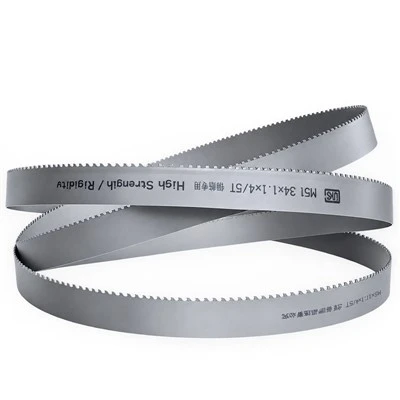
• Bimetal Bandsaw Blades: Feature a flexible alloy steel backing strip electron-beam welded to a high-speed steel (HSS M42 or M51) edge. They offer exceptional versatility and a lower initial investment, making them ideal for general-purpose structural steel, carbon steel, and occasional alloy cutting.
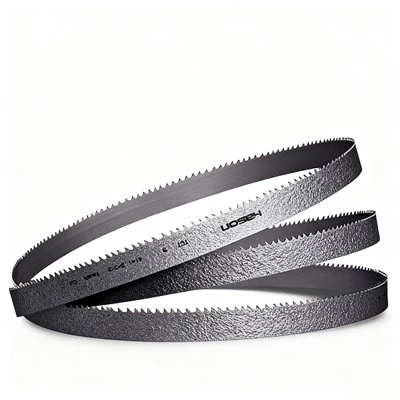
• Carbide-Tipped Bandsaw Blades: Feature individual carbide tips brazed onto a flexible alloy steel backing. While carrying a higher upfront cost, carbide blades deliver up to 5 to 10 times the lifespan of bimetal blades when cutting abrasive or hard-to-machine metals like stainless steel, nickel alloys, and titanium. They maintain sharpness at much higher cutting speeds, slashing cycle times per batch.


How to Choose the Right Blade for Your Specific Application?
To maximize ROI, industrial distributors must guide their clients based on operational volume and material hardness:
1. Low-to-Medium Production Runs: If your workshop handles varied job-shop projects with frequent changes in material sizes and grades, M42 bimetal blades offer the best agility and lower risk of tooth chipping.
2. High-Volume Mass Production: For continuous, high-speed cutting of stainless steel billets, heavy tubing, and forged alloys, carbide-tipped blades drastically minimize blade change frequencies, turning higher initial costs into massive labor and machine uptime savings.


Why Partner with Sipu? Premium Sawing Solutions for Global Distributors
As a dedicated manufacturer specializing purely in high-performance sawing consumables rather than machines, Sipu (sipu-saw.com) empowers global B2B distributors with uncompromised manufacturing excellence:
• Advanced Metallurgy & Precision Manufacturing: Utilizing premium European and domestic alloy steels combined with state-of-the-art welding and tooth-setting technology to ensure consistent tension and tracking.
• Rigorous Quality Control: Every batch undergoes strict hardness, microstructure, and fatigue testing to guarantee durability that competes with tier-one European brands at highly competitive distributor pricing.
• Customized B2B Support & Stable Supply Chain: We provide flexible MOQs, customized packaging, and robust export logistics tailored to industrial distributors across Spain and Europe, ensuring your warehouse never faces stockouts.
Ready to upgrade your inventory or explore high-margin sawing solutions? Visit our official website at https://www.sipu-saw.com or contact our engineering sales team today to request samples and distributor pricing catalogs.