
Introduction
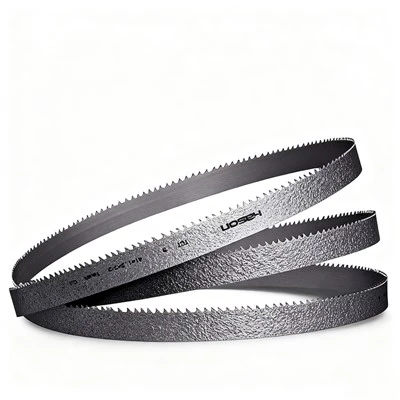
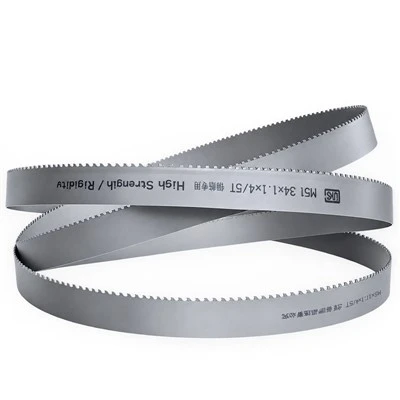
In the meat processing industry, efficiency is closely tied to the tools used in daily operations. Among these tools, the Meat Bandsaw Blade plays a decisive role in determining cutting speed, product quality, and operational cost. Whether used in a small butcher shop or a large-scale processing facility, selecting the right blade is essential for achieving consistent results and minimizing waste.
Many buyers face challenges when choosing a Meat Bandsaw Blade, often due to a lack of understanding of technical specifications, material differences, and application requirements. An incorrect choice can lead to reduced cutting efficiency, increased downtime, and higher replacement costs.
This guide provides a comprehensive framework for selecting the right Meat Bandsaw Blade based on application needs, technical parameters, material selection, supplier evaluation, and maintenance practices. By understanding these key factors, businesses can significantly improve cutting performance and long-term productivity.
1. Understand Your Cutting Application
Fresh Meat vs Frozen Meat Cutting
The first step in selecting the right Meat Bandsaw Blade is understanding the type of material being cut. Fresh meat and frozen meat require very different blade characteristics.
Fresh meat is softer and requires a blade with finer teeth to ensure smooth, clean cuts without tearing the tissue. A higher tooth pitch (TPI) is typically recommended for this application. The finer teeth allow for better control and improved product presentation, which is especially important in retail environments.
Frozen meat, on the other hand, is significantly harder and more abrasive. Cutting frozen meat requires a Meat Bandsaw Blade with larger, more aggressive teeth and a lower TPI. These blades are designed to handle the increased resistance and prevent excessive wear or breakage.
Choosing the correct blade based on temperature and hardness ensures optimal cutting performance and extends the blade's lifespan.
Bone-In vs Boneless Processing
Another important consideration is whether the meat contains bone. Bone-in processing places greater stress on the blade, requiring higher strength and durability.
For bone-in applications, a Meat Bandsaw Blade with reinforced teeth and a robust design is essential. These blades are engineered to withstand repeated impact without chipping or dulling quickly.
In contrast, boneless meat processing allows for the use of finer blades that prioritize precision and smooth cutting. Using a heavy-duty blade for soft meat can reduce efficiency, while using a fine blade for bone can lead to rapid wear.
Matching the blade to the specific cutting task is critical for maintaining both efficiency and product quality.
Cutting Volume and Operational Scale
The scale of operation also influences blade selection. Small butcher shops typically operate at lower volumes and may prioritize cost-effective solutions. In these settings, a standard Meat Bandsaw Blade made from carbon steel may be sufficient.
Large processing plants, however, operate continuously and require blades that can maintain performance over extended periods. In such environments, durability and consistency are more important than initial cost. High-performance blades reduce downtime and improve overall productivity.
Understanding your operational scale helps determine the level of performance required from a Meat Bandsaw Blade.
2. Key Technical Specifications to Consider
Tooth Pitch (TPI – Teeth Per Inch)
Tooth pitch is one of the most important factors in blade selection. It refers to the number of teeth per inch on the blade and directly affects cutting performance.
A low TPI (e.g., 3–4 TPI) is suitable for cutting frozen meat and bone, as it allows for faster material removal and reduces clogging. A high TPI (e.g., 6–10 TPI) is better for fresh meat, providing smoother cuts and improved surface finish.
Selecting the correct TPI for your Meat Bandsaw Blade ensures efficient cutting and minimizes material waste.
Blade Width and Thickness
Blade dimensions also play a significant role in performance. Wider blades offer greater stability and are ideal for straight cuts, making them suitable for industrial applications.
Thinner blades provide more flexibility, allowing for precise cutting in smaller or more detailed operations. However, they may wear out faster under heavy loads.
Choosing the right width and thickness for a Meat Bandsaw Blade depends on the type of cuts required and the machine being used.
Blade Length and Machine Compatibility
Every bandsaw machine requires a specific blade length. Using the wrong size can lead to poor performance, increased wear, or even machine damage.
It is essential to ensure that the Meat Bandsaw Blade matches the machine's specifications. Proper fit ensures stable operation and optimal cutting efficiency.
Tooth Design and Geometry
Tooth design influences how the blade interacts with the material. Common designs include regular, hook, and skip tooth configurations.
Hook teeth are more aggressive and suitable for heavy-duty cutting, while regular teeth provide smoother finishes. Skip teeth offer improved chip removal, which can be beneficial in certain applications.
Selecting the appropriate tooth geometry for a Meat Bandsaw Blade enhances cutting efficiency and reduces strain on the blade.
3. Choosing the Right Material for Your Meat Bandsaw Blade
Carbon Steel Blades
Carbon steel blades are widely used due to their affordability and flexibility. They are suitable for general-purpose cutting and are commonly found in small to medium-sized operations.
A carbon steel Meat Bandsaw Blade offers good performance for fresh meat cutting but may require more frequent replacement in demanding environments.
Stainless Steel Blades
Stainless steel blades are designed for environments where hygiene and corrosion resistance are critical. They perform well in wet conditions and are resistant to rust and contamination.
A stainless Meat Bandsaw Blade is often used in facilities that must comply with strict food safety regulations. While the initial cost is higher, the longer lifespan and improved hygiene can justify the investment.
Hardened and Alloy Steel Blades
Hardened and alloy steel blades are engineered for heavy-duty applications. They offer increased hardness and wear resistance, making them ideal for cutting frozen meat and bone.
These blades provide longer service life and better performance under stress, making them a preferred choice for industrial operations.
Balancing Cost vs Performance
Selecting the right material involves balancing cost and performance. While lower-cost blades may be suitable for light use, investing in higher-quality materials can reduce long-term costs by minimizing downtime and replacement frequency.
A well-chosen Meat Bandsaw Blade should align with operational needs and deliver consistent performance over time.
Evaluating Supplier Quality and Product Reliability
Manufacturing Standards and Certifications
The quality of a Meat Bandsaw Blade depends heavily on the manufacturer's production standards. Reliable suppliers follow strict quality control processes and meet food-grade certification requirements.
These standards ensure that the blade performs consistently and complies with industry regulations.
Customization and OEM Capabilities
Different applications may require customized blade specifications. Suppliers that offer OEM services can tailor the blade to specific requirements, including size, tooth design, and material composition.
Customization allows businesses to optimize the performance of their Meat Bandsaw Blade for specific tasks.
Consistency and Batch Quality
Consistency is critical, especially in large-scale operations. Variations in blade quality can lead to inconsistent cutting performance and increased maintenance costs.
Choosing a supplier with stable production processes ensures that every Meat Bandsaw Blade meets the same high standards.
After-Sales Support and Technical Guidance
A reliable supplier provides ongoing support, including technical advice and troubleshooting. This support helps optimize blade performance and resolve issues quickly.
Strong after-sales service adds value and ensures long-term satisfaction with the chosen Meat Bandsaw Blade.
5. Maintenance Considerations for Long-Term Efficiency
Proper Installation and Tensioning
Correct installation is essential for maximizing blade performance. Improper tension can cause uneven cutting, increased wear, and potential blade failure.
Ensuring proper alignment and tension of a Meat Bandsaw Blade improves stability and extends its lifespan.
Cleaning and Hygiene Management
Regular cleaning is necessary to maintain hygiene and prevent contamination. Residue buildup can affect cutting efficiency and lead to corrosion.
A Meat Bandsaw Blade should be cleaned thoroughly after each use to ensure compliance with food safety standards.
Monitoring Blade Performance
Over time, blades lose sharpness and efficiency. Monitoring performance helps identify when maintenance or replacement is needed.
Signs of wear include slower cutting speed, increased resistance, and rough cut surfaces. Addressing these issues promptly ensures consistent performance.
Replacement and Lifecycle Management
Every blade has a finite lifespan. Replacing a Meat Bandsaw Blade at the right time prevents operational disruptions and maintains cutting quality.
Implementing a proactive replacement strategy reduces downtime and improves overall efficiency.
Conclusion
Choosing the right Meat Bandsaw Blade is a critical decision that directly impacts cutting efficiency, product quality, and operational costs. By understanding the specific application, evaluating technical specifications, selecting the appropriate material, and working with reliable suppliers, businesses can significantly improve their cutting performance.
In addition, proper maintenance and lifecycle management play a vital role in maximizing the value of a Meat Bandsaw Blade. Regular cleaning, correct installation, and timely replacement ensure consistent results and extend blade life.
As the meat processing industry continues to evolve, the demand for high-performance cutting tools will only increase. Investing in the right Meat Bandsaw Blade is not just a technical choice-it is a strategic move that enhances productivity, reduces waste, and supports long-term business success.