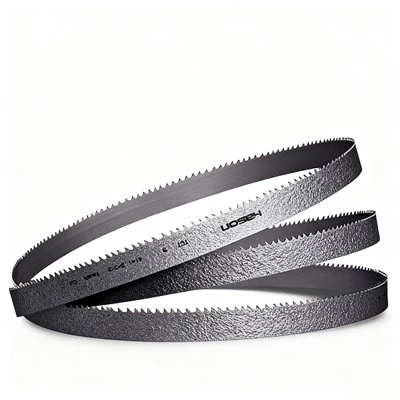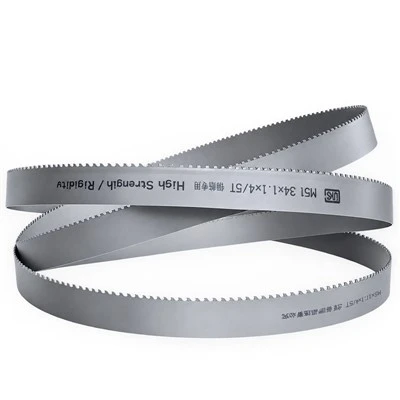

If you're purchasing bandsaw blades for a butcher shop, meat processing plant, supermarket, or food factory, choosing the right blade is more important than many buyers realize. The correct meat bandsaw blade not only affects cutting speed but also influences product appearance, machine stability, blade life, and overall operating costs.
For commercial processors, a blade is not simply a consumable-it is part of the production process. Selecting the right specification from the beginning can reduce downtime, improve yield, and deliver more consistent cutting results.
What Should You Consider Before Buying a Meat Bandsaw Blade?
Instead of looking only at price, experienced buyers usually evaluate several factors together.
| Selection Factor | Why It Matters |
|---|---|
| Meat Type | Fresh meat and frozen meat require different cutting performance. |
| Bone Content | Bone-in products place greater stress on blade teeth. |
| Machine Model | Blade length and width must match the bandsaw. |
| Daily Production | High-volume processing requires longer blade life. |
| Required Finish | Portion cutting often needs smoother, cleaner surfaces. |
Looking at these factors together helps buyers choose a blade that delivers better long-term value instead of simply the lowest purchase price.
Is a 3 TPI or 4 TPI Meat Bandsaw Blade Better?
This is one of the most common questions commercial buyers ask.
The answer depends on your application rather than one option being universally better.
A 3 TPI blade generally removes material more aggressively, making it suitable for frozen meat and larger bones where cutting speed is important.
By comparison, a 4 TPI blade produces a smoother cutting surface and is often preferred for fresh meat or products that require a cleaner presentation.
Rather than recommending a standard specification for every customer, experienced manufacturers usually suggest the tooth configuration according to the customer's actual processing environment.
Why Does Blade Quality Make Such a Difference?
Many companies focus on blade price but overlook manufacturing quality. In reality, two blades with similar dimensions can perform very differently.
A high-quality meat bandsaw blade should feature consistent tooth hardness, precise welding, and stable material quality. These factors work together to reduce vibration during cutting, improve accuracy, and extend service life.
In daily production, this often means fewer blade changes, less machine downtime, and more consistent output-all of which contribute to lower operating costs over time.
How Can You Make Your Bandsaw Blade Last Longer?
Choosing the right blade is only part of the equation. Proper maintenance also plays a significant role in maximizing blade life.
Simple practices such as maintaining the correct blade tension, cleaning the blade after production, replacing dull blades before excessive wear occurs, and regularly checking guide wheels can noticeably improve cutting performance. Many processing plants find that good maintenance habits reduce unexpected blade failures while helping maintain consistent product quality.
Why Choose SIPU as Your Meat Bandsaw Blade Manufacturer?
For international distributors, wholesalers, and food processing companies, supplier stability is just as important as product quality.
SIPU specializes in manufacturing industrial bandsaw blades for meat processing and other cutting applications. With years of production experience, advanced manufacturing equipment, and strict quality inspection procedures, we provide reliable cutting solutions for customers in markets around the world.
Beyond standard specifications, SIPU also supports OEM and customized production, allowing customers to select blade dimensions, tooth configurations, packaging, and branding that match their business requirements. Whether you are purchasing for a single processing facility or sourcing products for distribution, our team works closely with customers to deliver consistent quality and dependable supply.
Quick Checklist Before You Place an Order
Before confirming your purchase, it's worth asking yourself a few simple questions:
- Is the blade designed for fresh or frozen meat?
- Does the blade size match your bandsaw machine?
- Have you selected the appropriate tooth pitch?
- Will the blade meet your daily production volume?
- Can your supplier provide consistent quality and long-term technical support?
A few extra minutes spent evaluating these points can prevent costly production issues later.
Conclusion
The best meat bandsaw blade is not necessarily the cheapest-it is the one that matches your equipment, production requirements, and processing materials. By choosing the correct specification and partnering with an experienced manufacturer, commercial processors can improve efficiency, reduce operating costs, and maintain consistent product quality.
If you're looking for a reliable meat bandsaw blade manufacturer, SIPU provides dependable manufacturing capabilities, flexible customization, and professional support for global B2B customers.
Contact us for more information.