

When it comes to metal bandsaw blades, two of the most commonly used materials are carbon steel and high - speed steel. As a metal bandsaw blade supplier, I often get asked about the differences between these two types of blades. In this blog, I'll break down the key differences to help you make an informed decision for your cutting needs.
Composition and Manufacturing
Carbon steel is an alloy that primarily consists of iron and carbon, with carbon content typically ranging from 0.05% to 2.1%. The relatively simple composition makes it a cost - effective option for many applications. During the manufacturing process, carbon steel is heated and then quenched to achieve the desired hardness. This process gives carbon steel blades a certain level of durability, but it also has its limitations.
On the other hand, high - speed steel (HSS) is a more complex alloy. It contains not only iron and carbon but also significant amounts of other elements such as tungsten, molybdenum, chromium, and vanadium. These additional elements contribute to the blade's high heat resistance and hardness. HSS blades are manufactured through a more sophisticated process that involves multiple heat - treating steps to optimize the properties of the alloy. For example, the addition of tungsten helps to maintain the blade's hardness at high temperatures, which is crucial for high - speed cutting operations.
Hardness and Wear Resistance
One of the most significant differences between carbon - steel and high - speed - steel bandsaw blades is their hardness and wear resistance. Carbon steel blades have a lower hardness compared to HSS blades. This means that they are more prone to wear and dulling during cutting. When cutting hard materials or in high - volume production environments, carbon steel blades may need to be replaced more frequently.
High - speed steel blades, due to their complex alloy composition and advanced heat - treating processes, offer superior hardness and wear resistance. They can maintain their cutting edge for a longer time, even when cutting tough materials such as stainless steel, titanium, and high - strength alloys. This makes HSS blades a better choice for applications where precision and long - term performance are required. For instance, in a manufacturing plant that produces a large number of metal parts, using HSS blades can reduce downtime caused by blade changes and increase overall productivity.
Heat Resistance
Heat is a major factor in metal cutting. As the blade cuts through the metal, friction generates heat, which can affect the blade's performance and lifespan. Carbon steel has relatively poor heat resistance. When the temperature rises during cutting, the carbon steel blade can lose its hardness and become deformed, leading to a decrease in cutting efficiency and an increase in the risk of blade breakage.
High - speed steel, as the name suggests, is designed to withstand high temperatures. The alloying elements in HSS help to maintain the blade's hardness even at elevated temperatures. This allows HSS blades to operate at higher cutting speeds without sacrificing performance. For example, in high - speed machining operations, HSS blades can cut through metal at a much faster rate than carbon steel blades, reducing the overall cutting time and improving productivity.
Cutting Speed and Efficiency
The cutting speed and efficiency of a bandsaw blade are closely related to its material properties. Carbon steel blades are generally limited in terms of cutting speed. Due to their lower hardness and heat resistance, they need to be operated at relatively slow speeds to avoid excessive wear and damage. This can result in longer cutting times and lower productivity, especially when dealing with large - scale cutting projects.
High - speed steel blades, however, can be used at much higher cutting speeds. Their superior hardness and heat resistance allow them to cut through metal quickly and efficiently. This not only reduces the cutting time but also improves the quality of the cut. For example, in a metal fabrication shop, using HSS blades can significantly increase the throughput of the cutting process, leading to higher profits and better customer satisfaction.
Cost
Cost is always an important consideration when choosing a bandsaw blade. Carbon steel blades are generally more affordable than high - speed steel blades. This makes them a popular choice for applications where cost is a major factor and the cutting requirements are not too demanding. For example, in small - scale workshops or DIY projects, carbon steel blades can provide a cost - effective solution for basic cutting tasks.
High - speed steel blades, on the other hand, are more expensive due to their complex alloy composition and advanced manufacturing processes. However, the higher cost is often justified by their superior performance and longer lifespan. In the long run, using HSS blades can actually save money by reducing the frequency of blade replacements and increasing productivity.
Applications
Carbon steel bandsaw blades are suitable for a wide range of general - purpose cutting applications. They are commonly used for cutting soft metals such as aluminum, brass, and mild steel. They are also a good choice for applications where precision is not the primary concern, such as rough cutting or cutting non - critical parts.
High - speed steel bandsaw blades are ideal for more demanding applications. They are commonly used in industries such as aerospace, automotive, and manufacturing, where high - precision cutting of hard materials is required. For example, in the aerospace industry, HSS blades are used to cut titanium alloys, which are known for their high strength and heat resistance.
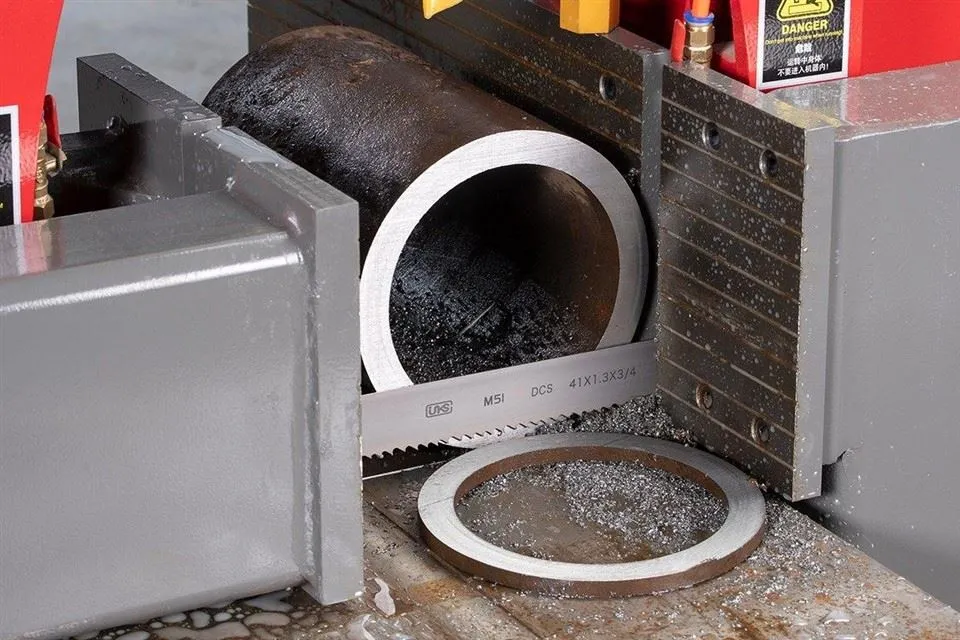
If you are interested in learning more about our metal bandsaw blades, we offer a variety of options. You can check out our Carbide Bandsaw Blade for Metal, M51 Bandsaw, Bi Metal Bandsaw Cut Metal, Bi - metal Saw Blades for Metal, and M42 Metal Bandsaw.

Whether you need a carbon - steel blade for general - purpose cutting or a high - speed - steel blade for more demanding applications, we can provide you with the right solution. If you have any questions or would like to discuss your specific requirements, please feel free to contact us for a detailed consultation and to start the procurement process.
References
- ASM Handbook Volume 1: Properties and Selection: Irons, Steels, and High - Performance Alloys
- Metals Handbook Desk Edition, Third Edition


